1. Introduction to a Gravel Pump
A gravel pump is a high-performance pump engineered specifically for transporting abrasive substances like gravel, sand, and slurry across a range of demanding industrial environments. These pumps utilize centrifugal force created by rotating impellers to move heavy, abrasive materials through pipes and channels with efficiency and reliability. Built with tough, wear-resistant materials, gravel pumps are indispensable in sectors such as mining, construction, and dredging, where the nature of the materials being handled can cause excessive wear and corrosion.
While their appearance may seem straightforward, gravel pumps are equipped with sophisticated design features that allow them to function optimally even in the most challenging conditions, including high-solid concentrations and harsh environmental factors. In this guide, we’ll dive into the key features, benefits, and wide-ranging applications of gravel pumps, shedding light on why they are considered a critical asset in industries that rely on the smooth, efficient handling of abrasive materials.

2. Advantages of Gravel Pumps
Gravel pumps offer several distinct advantages that position them as the preferred choice across various industries for handling abrasive materials. Here are the key advantages of using gravel pumps:
2.1 Efficient Handling of Abrasive Materials:
Gravel pumps are specifically engineered to handle abrasive materials like gravel, sand, and slurry. Their robust construction, featuring hardened impellers and wear-resistant casings, enables them to withstand the erosive effects of abrasive particles. This ensures efficient and reliable material transportation with minimal wear and tear on the pump itself.
2.2 High Solids Handling Capability:
One of the primary strengths of gravel pumps is their ability to manage high concentrations of solids within the pumped fluid. They excel in transporting mixtures with significant solids-to-liquid ratios, making them ideal for demanding applications such as mining, dredging, and processing slurry containing coarse particles.
2.3 Versatility in Applications:
Gravel pumps find versatile applications across a spectrum of industries including mining, construction, sand and gravel operations, and mineral processing. Their capability to handle diverse materials and adapt to various environmental conditions makes them invaluable in numerous industrial settings.
2.4 Flexibility in Pumping Distance and Elevation:
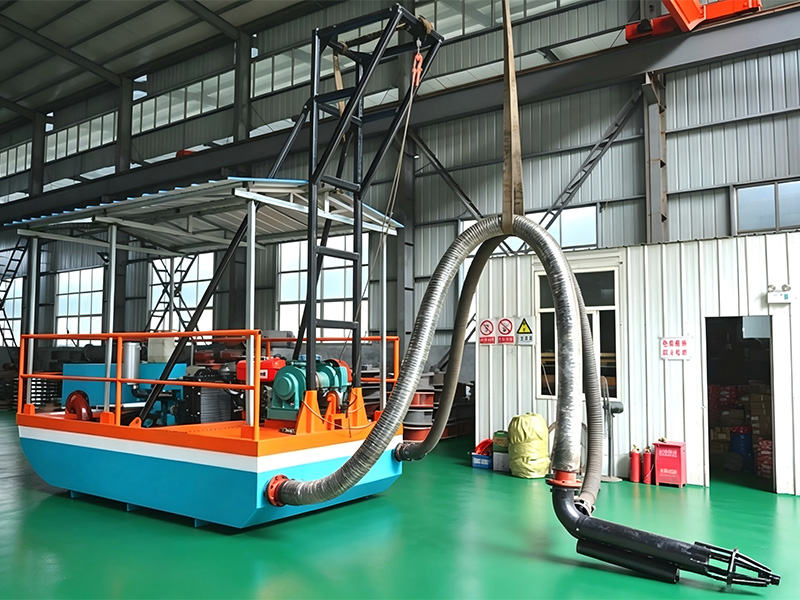
Gravel pumps offer flexibility in pumping material over extended distances and varying elevations. They are capable of efficiently transferring materials from source to destination, including vertical pumping tasks such as underwater dredging or lifting from deep pits.
2.5 Easy Maintenance and Repairs:
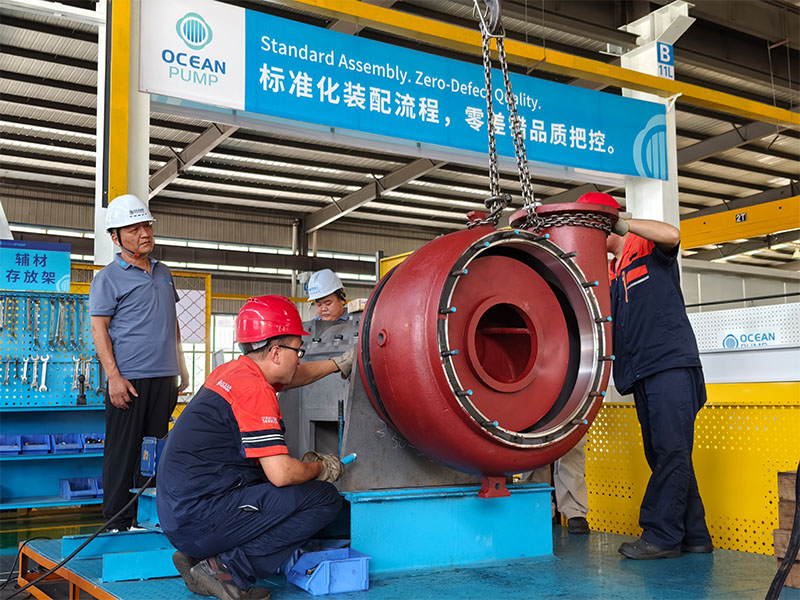
Designed for user-friendly maintenance, gravel pumps feature accessible components that facilitate quick inspection, servicing, and replacement when necessary. This minimizes downtime and ensures the pump remains in peak operational condition with minimal effort.
2.6 Customized Configurations:
Gravel pumps are available in a range of sizes, power capacities, and configurations to suit specific operational requirements. This customization capability allows industries to select pumps that precisely match project needs, optimizing efficiency and performance.
The advantages of gravel pumps make them indispensable in industries dealing with abrasive materials. They enable efficient material handling, high-capacity solids transport, and operational versatility across a broad spectrum of industrial applications.
3. General Components of a Gravel Pump Set
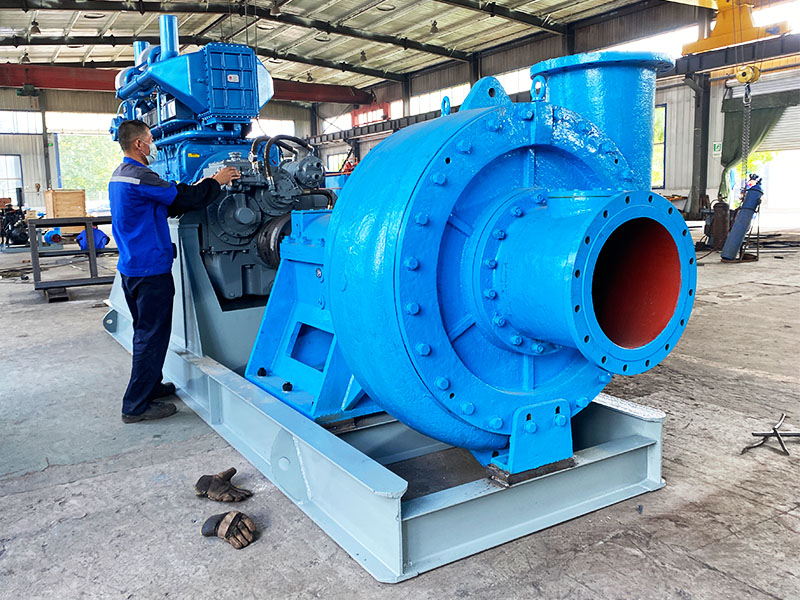
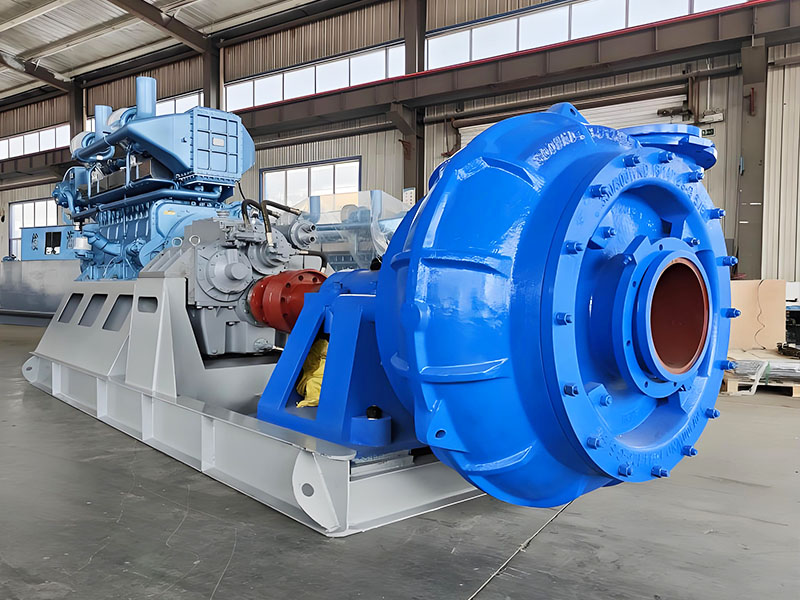
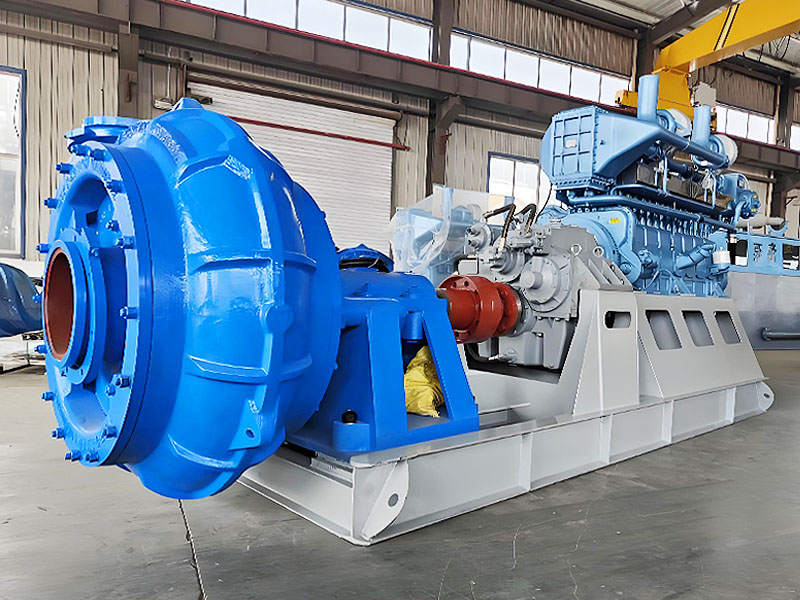
A typical gravel pump, essential for handling abrasive materials efficiently, consists of several key components designed to facilitate the movement and discharge of gravel, sand, and slurry. These components include:
3.1 Pump Impeller:
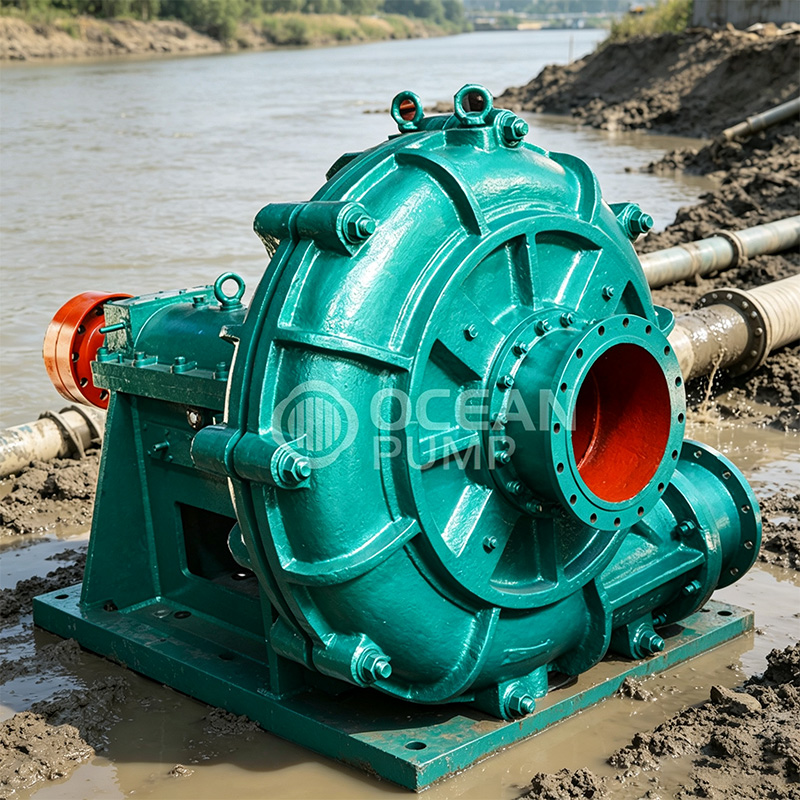
The impeller is a critical component that generates centrifugal force within the pump. Its primary function is to accelerate the fluid and abrasive particles, directing them towards the discharge outlet. The design and configuration of the impeller are crucial for achieving optimal performance and efficiency in transporting materials.
3.2 Pump Casing:
The casing surrounds the impeller and serves multiple purposes. It directs the flow of materials through the pump, ensuring smooth movement from suction to discharge. Additionally, the casing provides structural support and helps maintain pump efficiency by minimizing internal turbulence and friction losses.
3.3 Suction and Discharge Pipes:
These pipes are integral to the operation of the gravel pump, serving as conduits for material transport. The suction pipe draws in abrasive materials from the source, while the discharge pipe expels them towards the desired destination. Proper sizing and configuration of these pipes are essential for optimizing flow rates and minimizing pressure losses during operation.
3.4 Power Source:
Gravel pumps are powered by electric motors or diesel engines, providing the necessary energy to drive the impeller and facilitate material transport. The power source selection depends on factors such as pump size, operational environment, and energy availability. Electric motors are often preferred for their reliability, efficiency, and ease of maintenance, while diesel engines offer flexibility in remote or mobile applications.

4. How to Choose a Gravel Pump
When selecting a gravel pump for a specific application, several critical factors should be carefully evaluated. Here are key considerations to guide your decision-making process:
4.1 Particle Size and Abrasiveness:
Assess the size and abrasive nature of the particles that will be pumped. Different gravel pumps are designed to handle specific particle sizes and abrasive conditions. Ensure the selected pump is capable of efficiently managing the size and abrasiveness of the materials in your application.
4.2 Flow Rate and Head:
Determine the required flow rate (volume of material per unit of time) and head (vertical distance or pressure required to pump the material). It is essential to choose a gravel pump that aligns with your desired flow rate and head requirements. Refer to the pump’s performance curve to ensure it meets your specific operational needs.
4.3 Solids Handling Capacity:
Evaluate the pump’s solids handling capacity, which refers to its ability to handle maximum concentrations of solids effectively. This capacity is typically expressed as a percentage of solids by weight. Select a pump that can manage the solids concentration in your application without issues such as clogging or excessive wear.
4.4 Pump Efficiency:
Efficiency directly impacts operating costs and overall performance. Opt for a gravel pump with high efficiency to minimize energy consumption and maximize output. Look for pumps designed with efficient hydraulic profiles and optimized impeller designs.
4.5 Pump Construction and Materials:
Consider the construction and materials used in the pump’s components, such as impellers, casings, and liners. These should be made from durable, wear-resistant materials capable of withstanding abrasive materials. Ensure the pump is robustly constructed to endure the specific application’s demands and operating conditions.
4.6 Pump Drive and Power Source:
Select a suitable drive system and power source based on your operational requirements. Gravel pumps can be powered by electric motors, engines, or hydraulic systems. Evaluate factors like power availability, environmental conditions, and maintenance ease when choosing the appropriate drive system.
4.7 Maintenance and Serviceability:
Assess the ease of maintenance and serviceability of the pump. Choose pumps with accessible components, straightforward maintenance procedures, and availability of spare parts. This ensures efficient upkeep, reduces downtime, and prolongs the pump’s lifespan.
4.8 Application-specific Requirements:
Consider any unique requirements of your application. For instance, if submersible operation is necessary, opt for a pump designed for underwater use. If high-pressure conditions are involved, select a pump capable of handling elevated pressures without compromising performance.
By carefully evaluating these factors and matching them to your specific application needs, you can select a gravel pump that delivers optimal performance, efficiency, and durability. Consulting with pump manufacturers or industry experts can provide valuable insights and assistance in making the right choice for your operations.
5. Proper Operation and Maintenance of Gravel Pumps
5.1 Gravel pumps undergo several essential stages during operation:
Priming: The pump is filled with fluid to initiate suction.
Material Intake: The impeller draws material into the pump.
Centrifugal Action: Material moves outward due to impeller rotation.
Pressure Generation: Increased pressure expels material through the discharge pipe.
Material Transport: Transported material reaches its destination for further processing or use.
5.2 Guidelines for Gravel Pump Operation and Maintenance:
Read the Manufacturer’s Manual: Familiarize yourself with the manual for specific instructions on operation, maintenance, and troubleshooting. It provides valuable details on specifications, operating parameters, and maintenance procedures.
Ensure Proper Installation: Install the pump correctly according to manufacturer instructions to securely align parts and connect hoses and piping properly. Improper installation can cause vibration, premature wear, and reduced performance.
Monitor Operating Parameters: Regularly check and maintain parameters like flow rate, pressure, and temperature within recommended limits to prevent excessive wear and component damage
Provide Adequate Lubrication: Follow manufacturer recommendations for lubrication intervals and ensure all points are properly greased or oiled. Insufficient lubrication can lead to increased friction, overheating, and premature part failure.
Perform Regular Inspections: Conduct visual checks for damage, leaks, or wear on the impeller, casing, seals, and other components. Promptly replace any worn or damaged parts to prevent further issues.
Clean and Flush: Regularly clean and flush the pump to remove debris, sediment, or abrasive particles. This maintenance helps maintain performance, reduce the risk of clogging, and extend the pump’s lifespan.
Implement Preventive Maintenance: Follow a schedule for inspection and replacement of wear parts, and ensure bolts and fasteners are tightened. Verify alignment and balance to prevent operational issues.
Handle Pump Cavitation: Prevent or minimize cavitation by maintaining proper suction conditions, ensuring sufficient Net Positive Suction Head (NPSH), and avoiding excessive pump speeds to prevent erosion and damage.
Provide Training and Awareness: Train operators on correct procedures, safety precautions, and maintenance requirements. They should understand pump limitations and promptly report any issues.
Maintain Records: Keep detailed records of pump operations, maintenance tasks, and repairs. This helps track performance trends, identify recurring issues, and plan future maintenance for optimal reliability.
By following these guidelines and conducting regular maintenance, gravel pumps can operate efficiently, minimize downtime, and ensure reliable performance across various applications.
6. Conclusion
Gravel pumps are essential across industries for handling abrasive materials efficiently. They excel in managing high solids concentrations, offering versatility in mining, dredging, construction, and industrial processing. Factors like particle size, flow rate, and pump efficiency dictate their suitability for specific applications.
Proper operation and maintenance are critical for optimizing gravel pump performance and durability. Following manufacturer guidelines, conducting regular inspections, and implementing preventive maintenance schedules minimize downtime and extend pump lifespan. Ocean Pump is renowned for durable, high-performance gravel pumps tailored for tough conditions in mining, dredging, and construction. Leveraging Ocean Pump’s expertise ensures efficient material handling and enhanced productivity across diverse industrial sectors.
When it comes to handling abrasive materials in demanding environments, OCEAN Pump is your trusted partner. Their gravel pumps are designed with precision and built to last, ensuring maximum efficiency and minimal maintenance. With a focus on delivering high-performance solutions tailored to the specific needs of each customer, OCEAN Pump continues to set industry standards for reliability and innovation. Whether you’re pumping gravel, sand, or slurry, OCEAN Pump offers the right solution to keep your operations running smoothly and cost-effectively. Explore their extensive range of gravel pumps today and experience the difference that superior engineering and design can make.
Edited By Wren YAO
Tai’an OCEAN Pump Co., Ltd
E-mail: wren@tsbeng.com
WhatsApp: +86 17515298917